



Summary: This blog post explores the rising demand for transparency in the dairy industry, drawing a parallel between conscious food eating and mindful milk consumption. As consumers increasingly demand to know the origin, processing methods, and ethical standards behind their dairy, brands are forced to move away from ambiguous labelling. The piece highlights how blockchain tracking, ethical farming, and clean ingredient lists are shaping the future of milk, empowering consumers to make healthier, more sustainable choices for their families.
Key Highlights:
- The Transparency Gap: Why consumers closely scrutinise solid food labels but often overlook the processing and additives hidden in commercial milk.
- Farm-to-Table Traceability: How technology and QR codes are allowing modern consumers to track their specific batch of milk back to the dairy farm.
- Ethical & Environmental Impact: The growing link between transparent supply chains, animal welfare, and reduced carbon footprints in dairy farming.
- Future of the Industry: Why transparent dairy brands are winning consumer trust and driving the next evolution of the wellness industry.
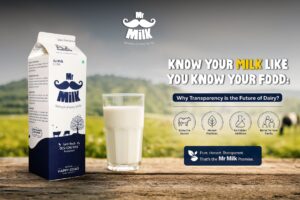
Over the last few years, the way we think about food has changed. People are reading labels, asking questions, and becoming more conscious about what they consume. From organic vegetables to single-origin products, transparency has become a priority. But one essential part of our daily diet is often overlooked- milk.
If we care about where our food comes from, shouldn’t we care just as much about our milk?
Why Consumers Today Care More About Food Transparency?
Today’s consumers are more informed than ever. They want to know how their food is grown, processed, and delivered. This shift is driven by health concerns, environmental awareness, and a desire for authenticity.
However, while fruits, vegetables, and packaged foods are scrutinised, milk is often accepted without question. It is consumed daily, especially in households with children, yet its sourcing and processing remain unclear to many. This gap is exactly why transparency in dairy is becoming increasingly important.
What Does Transparency in Milk Really Mean?
Transparency in milk goes beyond labels like “pure” or “fresh.” It means having complete clarity on the milk’s journey - from the farm it comes from to how it reaches your home.
This includes:
Transparent dairy brands make this information accessible, allowing consumers to make informed choices rather than relying on assumptions.
From Farm to Home: Why Traceability Matters
One of the biggest challenges with conventional milk is the lack of traceability. Milk often passes through multiple collection centres, is pooled from different sources, and is stored for extended periods before reaching consumers.
In contrast, farm-to-home milk ensures a direct and traceable journey. When milk comes from a single, known source, you can trust its consistency and quality. It also reduces handling, which helps preserve freshness.
At Mr. Milk, the focus is on maintaining this traceability by delivering milk directly from the farm to homes in Pune and PCMC. This direct connection between farm and consumer is what builds confidence over time.
Ethical Dairy Farming: More Than Just a Trend -
Transparency also includes how animals are treated. Ethical dairy farming ensures that cows are well-fed, stress-free, and cared for in clean environments. This is not just a moral choice; it directly impacts the quality of milk.
Desi cow milk, especially A2 milk from indigenous breeds like Gir cows, is often associated with such practices. Maintaining these standards requires effort, but it results in milk that is more consistent and reliable.
As more consumers become aware of animal welfare, ethical farming is no longer optional; it is expected.
How Transparency Impacts Milk Quality and Safety?
When every step of the milk processing journey is visible, quality naturally improves. Hygiene during milking, minimal processing, proper storage, and regular testing all contribute to safer milk.
Transparency ensures accountability. If a brand is open about its processes, it is more likely to maintain higher standards. This reduces the risk of adulteration and builds long-term trust with consumers.
Fresh milk delivery systems that prioritise speed and cold chain management further enhance quality by ensuring the milk remains fresh until it reaches your doorstep.
Questions Every Consumer Should Ask About Their Milk:
To make better choices, it’s important to start asking the right questions:
If these questions don’t have clear answers, it may be time to reconsider your options.
In today’s world, transparency is not a luxury; it is a necessity. Just as we have started questioning our food, it’s time to do the same with milk.
At Mr. Milk, transparency is a daily practice. From farm to home, every step is designed to give you clarity, trust, and confidence in what you consume every day.
FAQs:
Q.1: Why is transparency in dairy just as important as it is for our food?
A: While many consumers carefully read labels on packaged foods and buy organic vegetables, milk is often overlooked. Transparency in dairy is crucial because milk is a daily staple, especially for children. Knowing exactly how it is sourced, processed, and handled ensures you are not consuming hidden additives, antibiotics, or adulterated products, allowing you to make healthier choices for your family.
Q.2: What is the difference between conventional milk and farm-to-home traceable milk?
A: Conventional milk is typically pooled from multiple different farms, passes through various collection centres, and is stored for extended periods, making it impossible to trace its exact origin. Farm-to-home milk (like Mr. Milk) comes from a single, known source and is delivered directly to your doorstep. This direct journey minimises handling, preserves freshness, and ensures consistent quality.
Q.3: How does ethical dairy farming affect the quality of the milk I drink?
A: Ethical farming focuses on keeping cows healthy, well-fed, and stress-free in clean environments. When cows are treated well, it directly impacts the nutritional profile and taste of the milk. For instance, ethically raised indigenous Gir cows produce high-quality A2 desi cow milk, which is known for being consistent, reliable, and easier to digest.
Q.4: How does supply chain visibility ensure milk safety and prevent adulteration?
A: When a dairy brand practices total transparency, every step - from hygienic automated milking to strict cold chain management - is visible and accountable. Openly sharing processing methods and regular safety testing results forces brands to maintain higher standards, effectively eliminating the risk of contamination or adulteration before the milk reaches your home.
Q.5: What specific questions should I ask my current milk provider to check for transparency? A: To ensure you are getting safe, high-quality dairy, you should ask your provider:
- Can you trace this specific bottle back to its original farm?
- What are the living and dietary conditions of the cows?
- What processing and pasteurisation methods does the milk undergo?
- How frequently is the milk tested for safety, and are those reports accessible?
If your provider cannot give clear, definitive answers to these, it might be time to switch to a transparent brand.


