Cow Dairy Farm

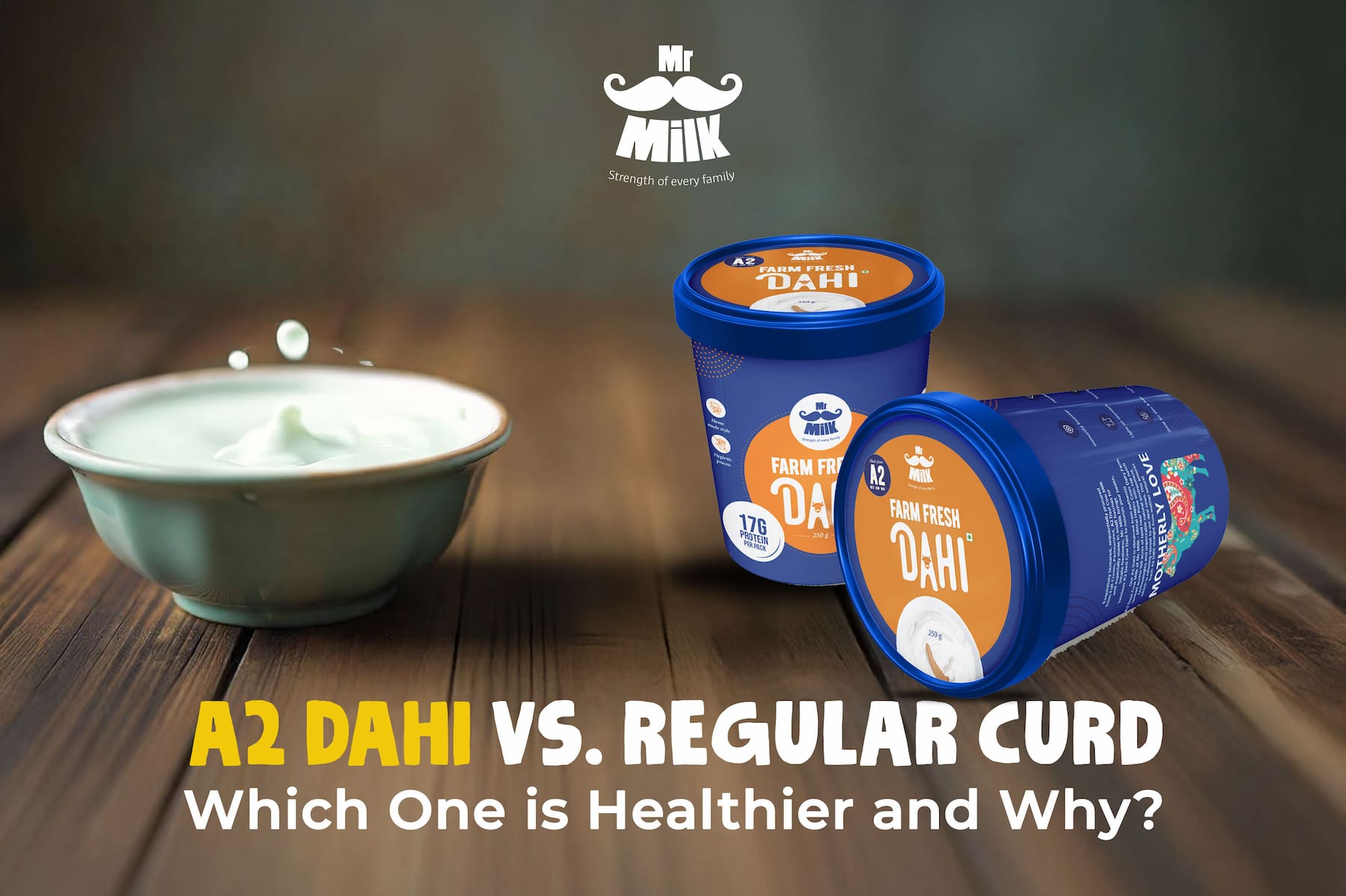
A2 Dahi vs. Regular Curd: Which One is Healthier and Why?

Confused between A2 Dahi and regular curd? This blog explains the major differences in nutrition, digestibility, and health impact. From protein type to gut health benefits, find out why A2 Dahi is becoming the preferred choice for those seeking a healthier lifestyle.

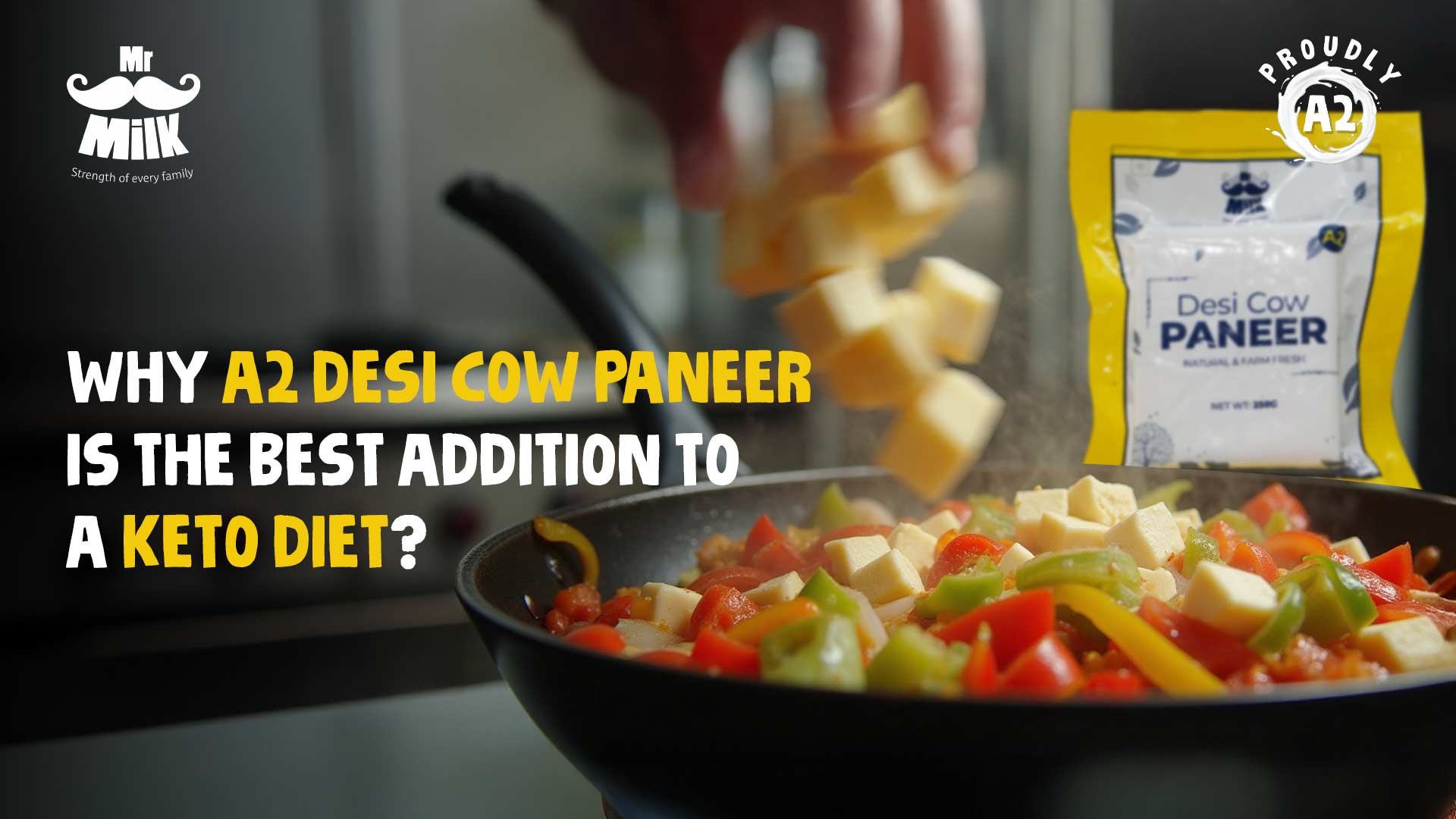
Why is A2 Desi Cow Paneer the Best Addition to a Keto Diet?

A2 Desi Cow Paneer is a keto superstar – rich in protein, healthy fats, and free from carbs. It helps you stay full, supports fat loss, and adds pure goodness to your meals. Discover why it’s the perfect addition to your ketogenic lifestyle!

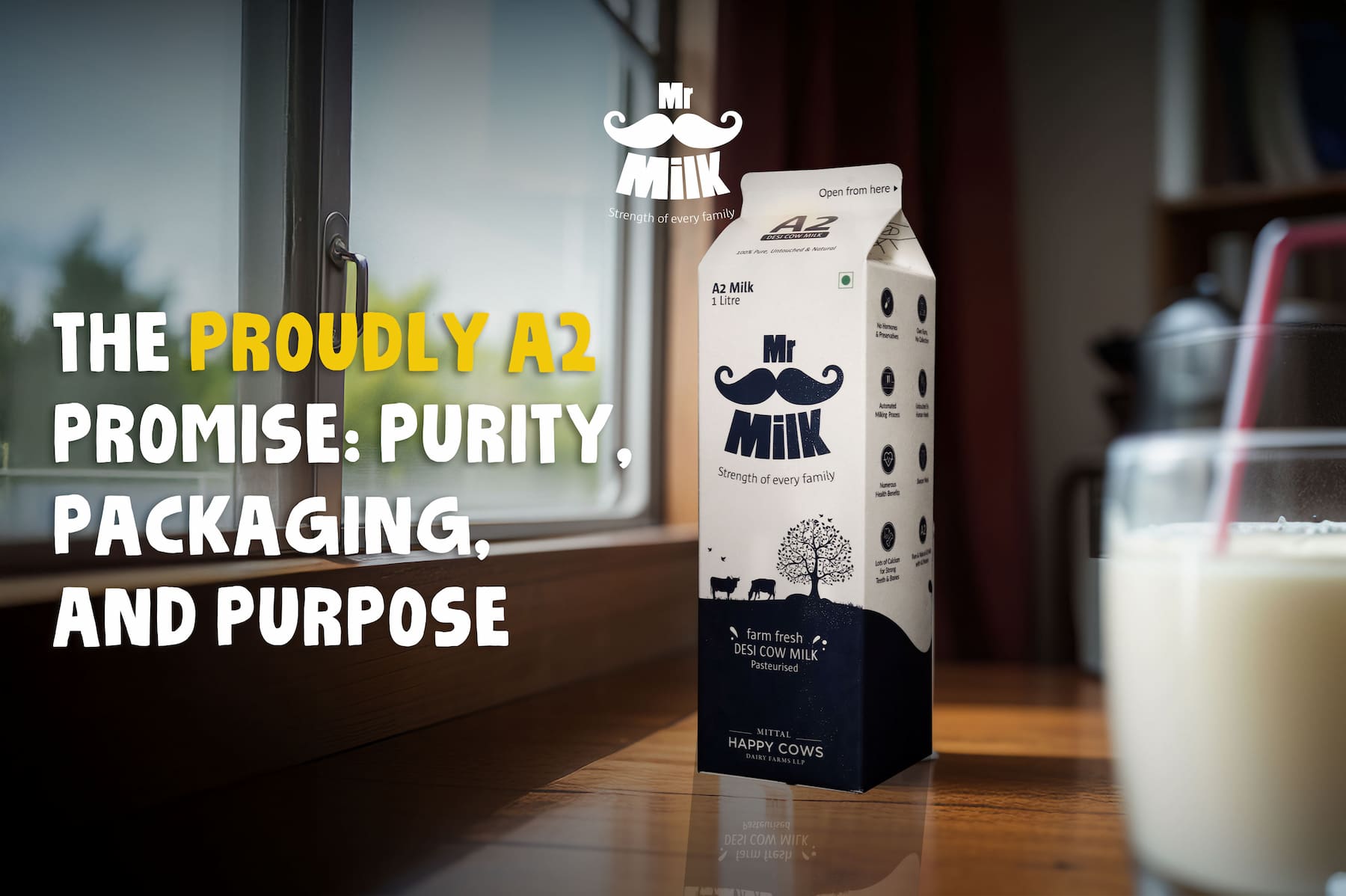
From Farm to Home: The Journey of Mr. Milk’s Pure A2 Desi Cow Milk

Mr. Milk’s A2 dairy journey begins on a 150-acre farm where Gir cows are cared for with love. From ethical milking to sustainable packaging, we ensure 100% pure A2 Desi Cow Milk is delivered fresh, straight from our farm to your home, without middlemen or compromises.

A2 Desi Cow Milk: The Ayurvedic Elixir for Modern-Day Health Challenges

A2 Desi Cow Milk, revered in Ayurveda, is nature’s perfect remedy for modern health challenges. Packed with essential nutrients, it aids digestion, boosts immunity, and enhances overall well-being. Whether you seek better gut health, stronger bones, or improved vitality, this Ayurvedic elixir is a must-have!

Why do we Need to Protect our Indigenous Indian Cows

Our country is known for its vast agricultural lands and rich cultural heritage, and undeniably, our indigenous cows. From ploughing, to farming, to providing manure for agriculture, to carrying loads, Indigenous cattle have helped us in countless ways since time immemorial. Standing tall and beautiful, indigenous, or Indian cows can often be found in shades of brown and white, with a magnificent hump on their backs. These features make them easily distinguishable as opposed to a foreign-bred Jersey cow by their mere appearance. Negligence in Cow Care Not only have cows have been helpful in agriculture and transportation, but they also provide healthy milk from which we make several other products such as ghee, dahi, and panner that is consumed in every household. It is not surprising that Indian cows are given the title of mother “gau mata” and are also considered sacred. However, generation after generation, people became increasingly ignorant towards the value of indigenous Indian cows as time passed by. There was a rise in apathy due to misinformation. Consequently, there was a rise in the neglect of cow care. Globalization and Desi cows With the advent of globalization and commercialization, people were led to believe that foreign-bred cows provided better quality and nutritious milk as opposed to Indian cows. As a result, there was a steep decline in people buying and consuming milk that came out of desi cow farms.  This, unfortunately, led to the extinction of over 120 breeds of Indigenous cattle with only 30 breeds remaining. This makes it all the more important for us to protect our Indigenous Indian cows, or as we typically refer to them as ‘Desi cows.’  Desi Cows and A2 Milk One of the most significant factors for protecting our indigenous cows is the quality of milk they produce. Nutritionists and health experts suggest that native Indian cows like Hallikar and Gir cows provide better quality milk when compared with mix-breed cows from foreign countries. This is because native cow milk has the A2 protein which helps in preventing coronary diseases and eliminates the problem of lactose intolerance. Most households consume milk produced by foreign-bred cows. This milk contains both A1 and A2 proteins. A1 protein is found in abundance in foreign-bred cows, which is the primary cause of lactose intolerance and indigestion in many. However, the same mixture does not exist in the A2 milk of Indian cows, which makes it ideal for anybody. Hence it is recommended to switch to A2 milk produced at genuine desi cow farms. Cows and Ecosystem Even the dung of these cows helps in maintaining ecological balance. “Slurry” or the digested organic matter can be used as a natural fertilizer for crops. This reduces the need for chemical fertilizers and maintains soil quality by retaining its fertility and productivity, thereby promoting healthy agricultural and terrestrial ecosystems. Moreover, biogas technology provides favorable conditions for bacterial action to produce methane gas. So, let us all come together and pledge to protect our existing indigenous Indian cow breeds and reap its benefits in a healthy manner. 

Why to Drink Cow’s Milk?

Ever wondered why your grandmother and mother always insisted that you drink cow’s milk every day when you were a kid? Cow milk is an age-old beverage that finds its roots in Ayurveda and, to date, is an integral part of our daily life. Be it a sweet or a savoury dish, cow milk can boost health benefits as well as make your taste buds dance. Rich source of protein: With the increasing fad of having protein shakes and a rich source of whey, cow milk comes in handy as it is a rich source of Casein (80%) and Whey (20%). Weight loss friendly:  A treasure trove of proteins, it works like a charm if you are looking to lose weight. Cow milk contains more low-fat content than buffalo milk and therefore is lighter and easy to digest. It is high in phosphorus & vitamin B12 and is an excellent source of protein and calcium. Being rich in calcium and vitamin D, cow milk helps the body in burning calories by increasing the metabolism of fat. Child development: Worried about the slow growth of your child?  Well, the researchers found that on average, a three-year-old having cow’s milk daily grew 1.5 centimetres taller than a child consuming the same amount of alternative milk. Milk and Mental Health:  Adequate vitamin D levels support the production of serotonin, a hormone associated with mood, appetite, and sleep. Vitamin D deficiency is associated with depression, chronic fatigue, and PMS. Cow’s milk and other foods are often fortified with vitamin D. Stronger Bones: Beyond childhood, severe Vitamin D deficiency can occur in young women, including those who are pregnant, with a higher risk with advancing age in a woman’s lifecycle. Cow milk curbs this deficiency in women. Prevents diabetes: Having cow milk daily for breakfast helps us reduce the concentration of glucose in our blood. A2 Cow’s milk has essential minerals and vitamins that help in processing the food normally, and this further helps in maintaining insulin and glucose levels. Boosts Immunity: Cow antibodies could treat everything from autoimmunity to infectious diseases. The consumption of raw cow’s milk contributes to protection against allergies, asthma and respiratory tract infections. Prevent heart problems: Grass-fed cows are believed to have a high content of omega-3 fats in their milk. Omega-3 fatty acids form the ‘good’ cholesterol in the body, improving heart health and preventing cardiovascular diseases such as heart attacks or strokes. Conjugated Linoleic Acid (CLA), which aids in lowering the growth of bad cholesterol, is also present in cow milk. Inflammatory Issues: Cow Milk is often recommended as a remedy for everything from gout and arthritis to respiratory distress and burns on the skin. Ever wondered why people drink milk following a spicy meal? The combination of whole animal proteins, omega-3 fatty acids, and antioxidants in cow milk makes it an incredible anti-inflammatory substance. It improves the efficiency of digestion and absorption of nutrients. Cow milk vs. Plant-based milk: Cow milk has more calcium as compared to plant-based milk like soy milk. Calcium, as we know, helps to build bones and prevents osteoporosis. Cow’s milk also contains more vitamins, such as vitamin B12 and vitamin D. One glass of cow milk = a million benefits. So, are you also thinking of MOOOving towards a healthy habit?

Scroll to top